
Current Landscape of Real Estate Purchase for Foreigners in Punta Cana
The current landscape for foreign real estate purchase in Punta Cana is characterized by an expanding economic and tourism environment that favors real estate investment. In the first half of 2026, non-resident air passenger arrivals grew by 10%, with an average hotel occupancy rate reaching 81.5% in Punta Cana/Bávaro, reflecting the strength of the tourism sector. This dynamic drives demand for residential and commercial properties in the area.
Additionally, the Dominican peso has appreciated by 8% against the US dollar since early 2026, enhancing potential returns for investors holding foreign currency. The luxury hotel expansion, with thousands of new rooms projected in Punta Cana and specifically in Cap Cana, anticipates increased economic activity and demand for properties linked to high-end tourism.
The structural growth of tourism, with a 48% increase since 2019 and projections of 3.3% annual growth through 2035, along with real estate investment in tourism growing at an annual rate of 13.4% since 2010, consolidates Punta Cana as an attractive destination for foreign real estate purchase.
Source: inmobiliario.do
Source: ermdigital.com
Source: travelweekly.com
Source: puntacanatoday.com
Source: cana.tours
Source: rdedigital.com
Legal Aspects and Due Diligence for Purchase in Punta Cana
To carry out a secure real estate purchase in Punta Cana, it is essential to perform a thorough due diligence for purchase in Punta Cana. This process involves reviewing and verifying all legal and administrative aspects related to the property, ensuring the investment is free of risks.
Key steps include:
- Verification of ownership and encumbrances: Confirming the seller is the legitimate owner and that the property is free of mortgages, liens, or litigation.
- Analysis of cadastral documentation: Corroborating that the property boundaries and measurements match official records.
- Review of permits and licenses: Ensuring the property has the necessary authorizations for its use and development.
- Assessment of tax obligations: Confirming compliance with taxes and municipal fees linked to the property.
- Specialized legal advice: Engaging lawyers experienced in Dominican real estate law to interpret regulations and protect the buyer's interests.
This process reduces the possibility of future problems and is especially relevant in a dynamic market like Punta Cana, where real estate investment grows alongside tourism and hotel development.
Source: inmobiliario.do
Source: rdedigital.com
Source: puntacanatoday.com

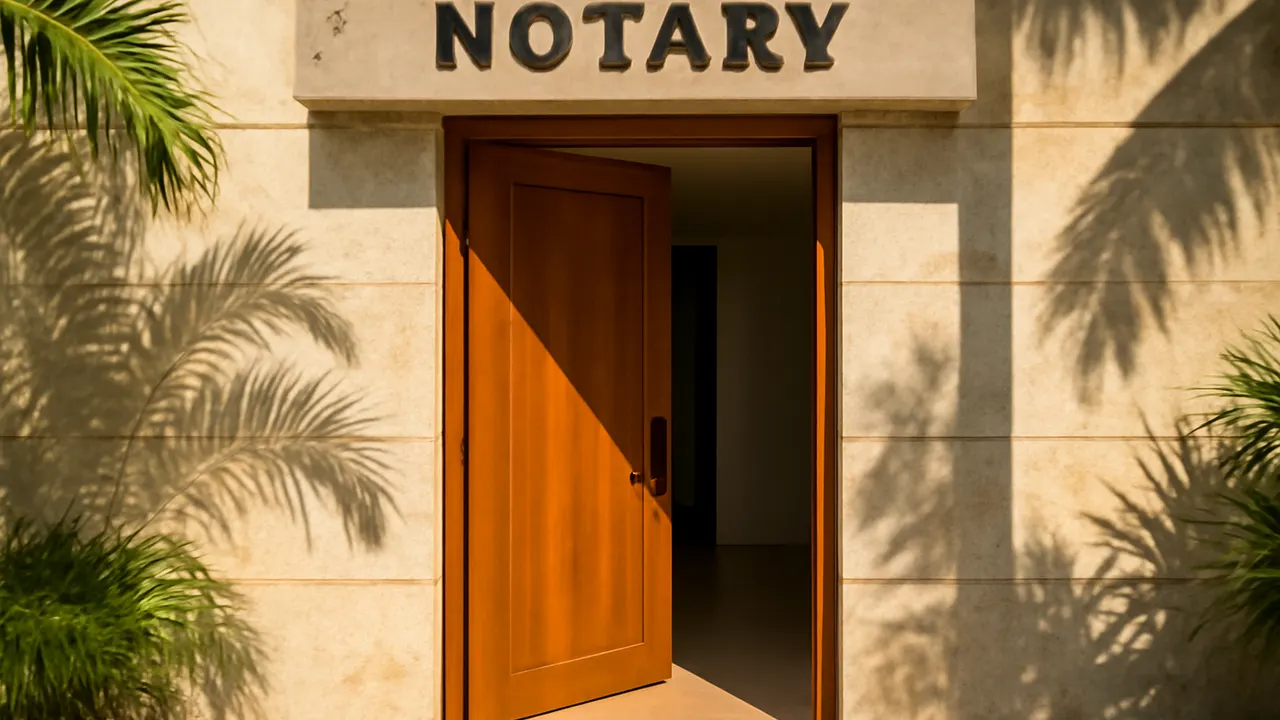
The Role of the Notary in Property Purchase in the Dominican Republic
The notary plays a fundamental role in formalizing real estate purchases in the Dominican Republic, being an indispensable requirement to guarantee the legal security of the transaction. The process in the notary for property purchase in the DR begins with the review and drafting of the public deed, a document that records all terms and conditions agreed upon by buyer and seller.
To formalize the purchase, both parties must present official documents such as ID card or passport, and the property must be free of registered encumbrances. The notary also verifies the property’s registry status in the Title Registry to ensure no pending liens exist. Subsequently, the public deed is signed before the notary, who certifies the authenticity of the act and ensures legal requirements are met.
Once signed, the deed must be registered at the Title Registry Office, an essential step to officially transfer ownership. This procedure protects the foreign buyer and grants full legal validity to the real estate purchase.
In summary, the notary for property purchase in the DR is the legal mechanism that formalizes acquisition, offering transparency and security in a growing real estate market like Punta Cana.
Source: inmobiliario.do
Source: rdedigital.com
Growth Factors and Opportunities for Foreign Investors
The tourism boom in Punta Cana directly drives opportunities for foreign real estate purchase. In the first half of 2026, non-resident air passenger arrivals grew by 10%, reaching nearly 5 million visitors, while average hotel occupancy increased to 81.5%, with key areas like Punta Cana/Bávaro exceeding 88%. This dynamism is reflected in the expansion of the luxury hotel segment, with about 15,000 new rooms projected over the next three years, especially in areas like Cap Cana, which expects to reach 20,000 rooms by 2029.
At the same time, the appreciation of the Dominican peso against the US dollar (8% since early 2026) strengthens local purchasing power and economic stability, a relevant factor for international investors. Real estate investment linked to tourism has maintained an annual growth of 13.4% since 2010, evidencing market solidity.
Additionally, growing flight demand and the projected contribution of tourism to GDP (US$29 billion by 2035) support a favorable context for property acquisition by foreigners.
Source: inmobiliario.do
Source: travelweekly.com
Source: ermdigital.com
Source: puntacanatoday.com
Source: rdedigital.com
Source: arecoa.com
Source: cana.tours
Practical Recommendations for Foreign Investors in Punta Cana
To optimize real estate investment and minimize risks in foreign real estate purchase in Punta Cana, it is essential to conduct thorough due diligence for purchase in Punta Cana. This process should include legal verification of the property, analysis of ownership, and review of liens or encumbrances. Additionally, it is advisable to evaluate location based on tourism development, since areas like Punta Cana and Cap Cana show hotel growth that drives residential demand.
It is also recommended to:
- Consult with local professionals specialized in Dominican real estate law.
- Confirm the fiscal and tax status of the property without relying solely on verbal information.
- Analyze real estate and tourism market trends to identify appreciation potential.
- Consider currency stability, as the Dominican peso has appreciated against the US dollar in 2026.
- Evaluate nearby infrastructure and future projects that could positively impact value.
The tourism environment in Punta Cana has grown 48% since 2019, with hotel occupancy above 88%. This reinforces the appeal for investors seeking security and long-term profitability, always under a framework of rigorous analysis and reliable advice.
Source: inmobiliario.do
Source: ermdigital.com
Source: puntacanatoday.com
Source: cana.tours
Frequently asked questions
What are the key steps to perform due diligence in real estate purchase in Punta Cana?
Due diligence includes verifying property ownership and encumbrances in the Title Registry, confirming the legality of permits and licenses, and reviewing that there are no outstanding tax debts or financial liens. It is also advisable to consult with a local specialized lawyer to ensure transparency throughout the process.
What role does the notary fulfill in property purchase in the Dominican Republic?
The notary formalizes the purchase by drafting and signing the public deed, verifies the identity of the parties, and ensures the transaction complies with current regulations. Additionally, the notary registers the title in the Title Registry to guarantee the buyer’s legal ownership.
How does tourism growth affect property appreciation in Punta Cana?
The constant increase in tourism in Punta Cana drives demand for residential and vacation properties, contributing to real estate value appreciation. According to sources like WTTC, tourism represents about 18% of the local GDP, strengthening the regional real estate market.
What precautions should foreigners take when buying properties in the Dominican Republic?
Foreigners should ensure thorough due diligence is performed, work with reliable legal and notarial professionals, and confirm that the property is free of liens or litigation. It is also important to understand local regulations and avoid sharing confidential non-public project information.
The indicators are public data from cited sources. They do not represent the performance of any project nor constitute investment advice. Documentation under NDA.
Information by appointment
Project data is shared under NDA in a private meeting. Corporate documentation, construction plan and commercialization structure on request.
Request a private visit